ÅKP Summit: Perspective: Capacity to handle the unpredictable
Nov 5, 2025
Elisabeth Remøy writes: For me, leadership today is not about eliminating uncertainty, but about building organizations that can withstand it. The market, technology, and society are changing faster than we can draw new plans. Nevertheless, organizations must deliver, and leaders should exude confidence in the process.
When I hear leaders talk about competence today, I hear both excitement and uncertainty for the future. What kind of competence do we really need? How will autonomy and new technology affect us? And where should we, or ought we, be in the driver's seat?
In my job, I meet daily with leaders who are concerned about these questions. Therefore, we emphasize bringing the topic to the agenda – among other things through leadership development and arenas for sharing experiences. Many leaders express a need to reflect together with others on how we can build capacity to drive change and innovation in the organization. For many, this is challenging, and good initiatives drown in daily operations.
Leading in the Uncertain
The question is: How do we build capacity to handle what cannot be planned? Many think that control brings success, but today it is the capacity to handle the unpredictable that counts more than ever.
We must view change management as an ongoing state. Where security does not lie in a five-year plan, but in the ability to adjust course along the way.
It requires a shift in thinking – from protecting the existing to creating conditions for continuous renewal. Leading change is not just a question of structure, but of culture.
Experiences to Learn From
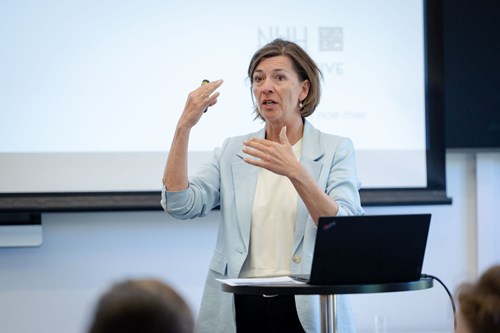
Inger Stensaker. Photo: Joakim S. Enger.
There is no one model that fits all, but there are experiences we can learn from – and professionals who have researched what actually works. Professor Inger G. Stensaker, one of Norway's leading experts on change management, is one of those I often return to. She has worked closely with organizations in major transitions, including in Statoil and DNB, and brings with her a solid toolbox on how to build change capacity.
I have personally seen this capacity building in practice, particularly when I was in the management group at Spilka and got to be closely involved in the innovation process that led to the facade solution Fixade – a finalist this year for the Construction Industry Innovation Award. The process started when the board dared to give the administration a clear and ambitious mandate to think anew. It created a safe space for innovative thinking – not chaos, but direction.
Also read: Inger G. Stensaker is keynote at ÅKP Summit: She knows what it takes when everything is at stake
Resilience for the Future
My colleagues and I at ÅKP work with leadership development because we see how important it is to build organizations that can withstand change. In November, we will gather leaders from across the region for ÅKP Summit, precisely to reflect and share experiences on the topic. For me, it's not just about the event itself, but about a collective responsibility and effort to develop this important innovation capacity in our business sector.
Also read: Spilka innovation at the Summit: Terje Bøe shares the story behind Fixade
Control is Out – Capacity is In
If we continue to lead within safe boundaries, we will lose. It is brutal, but true. The capacity to handle the unpredictable is no longer a "nice to have" – it is the very foundation for competitiveness.
Therefore, we must dare to let go of control – and build organizations that can withstand uncertainty. The future does not reward those who plan best, but those who adapt the fastest.
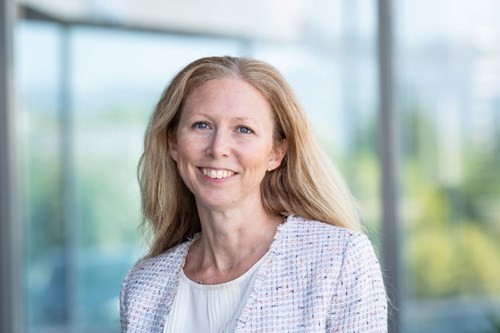
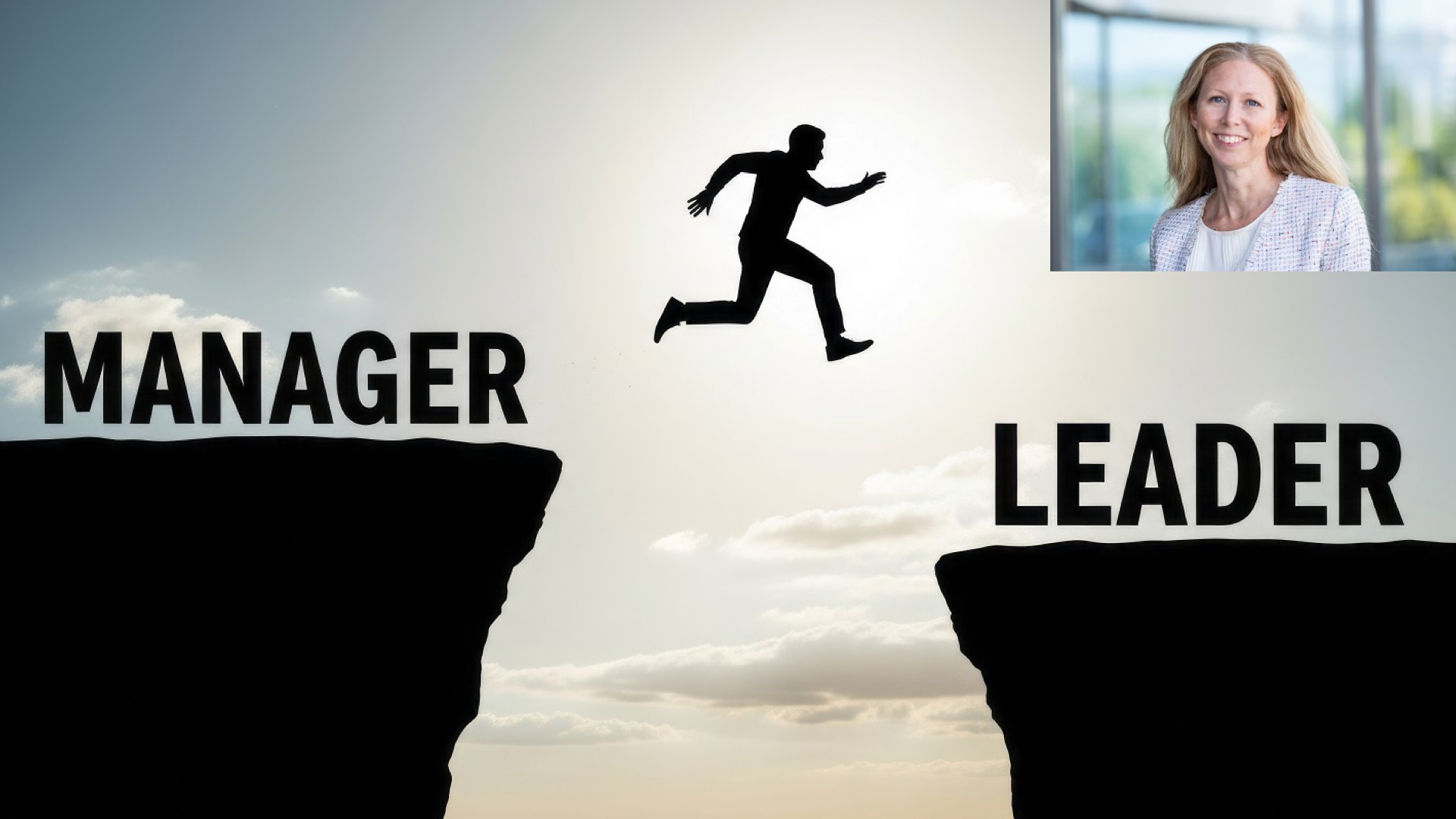
Elisabeth Remøy.