Highlights from the Fisheries Conference 2025
5. des. 2025
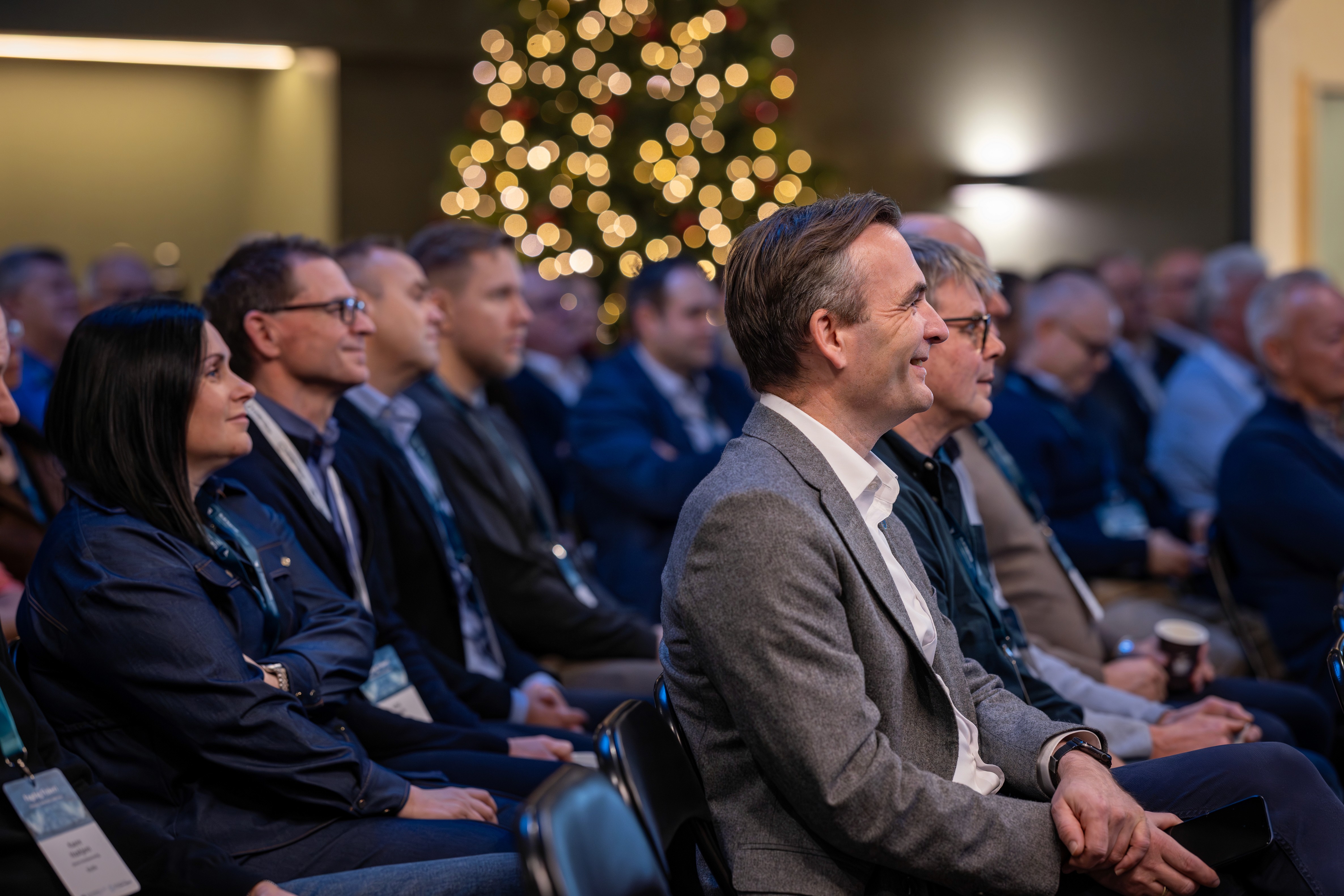
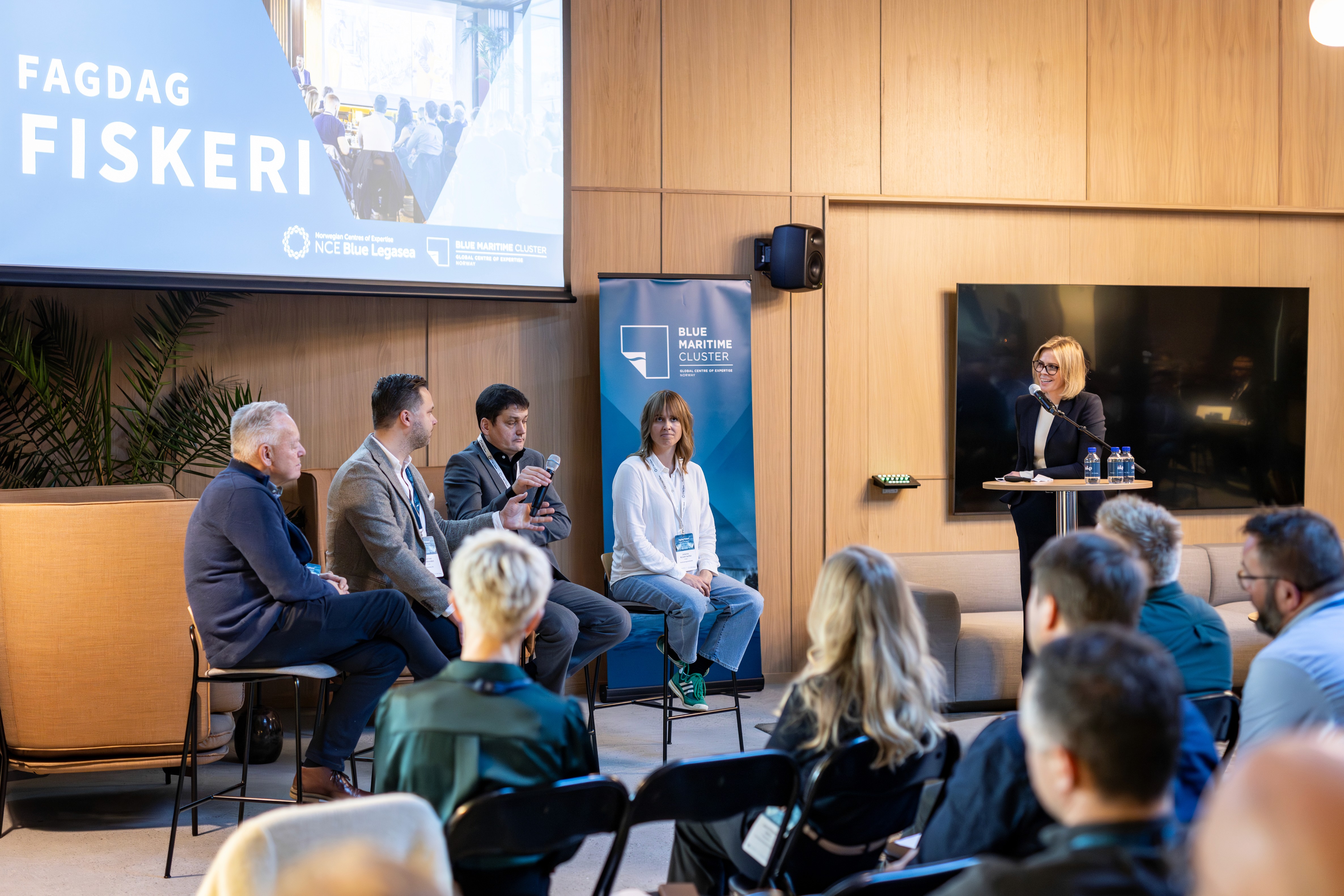
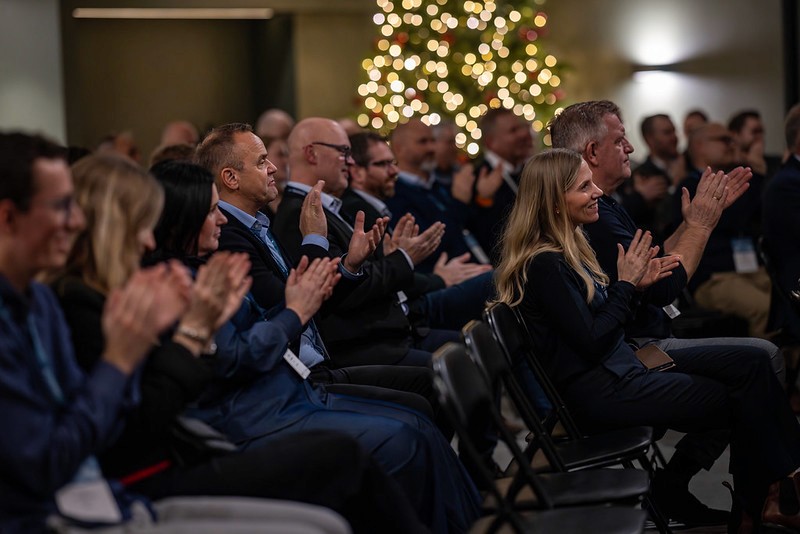
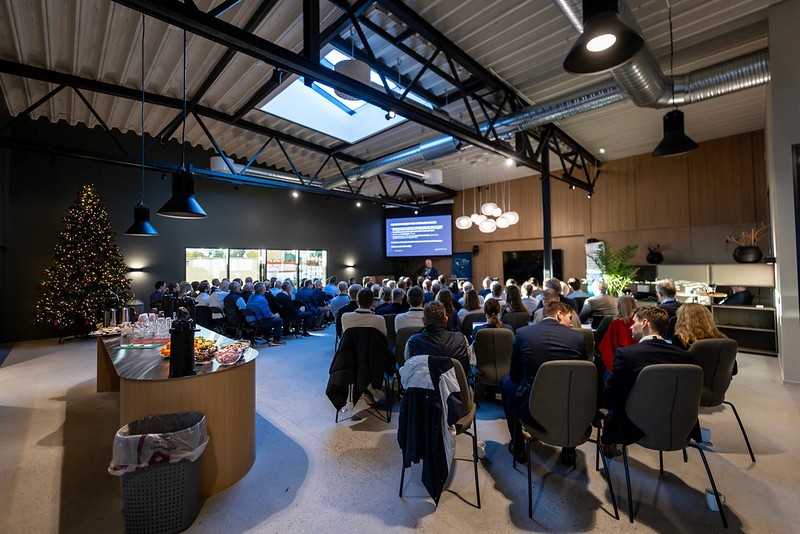
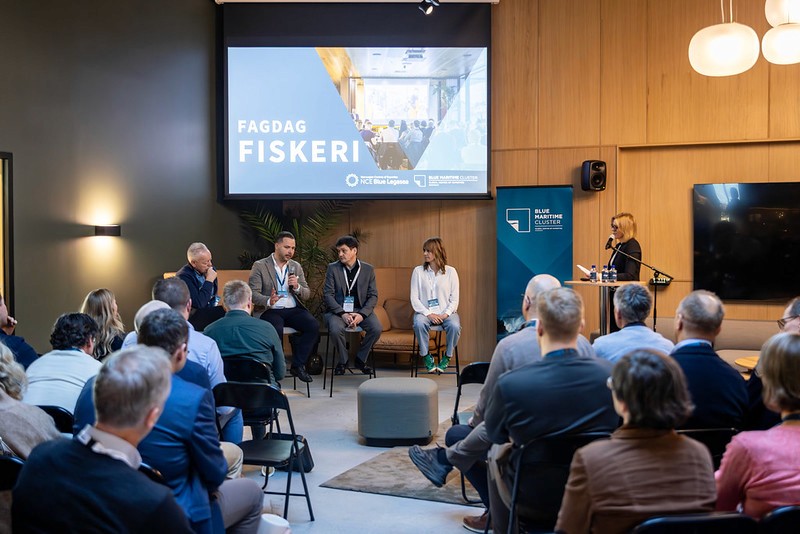
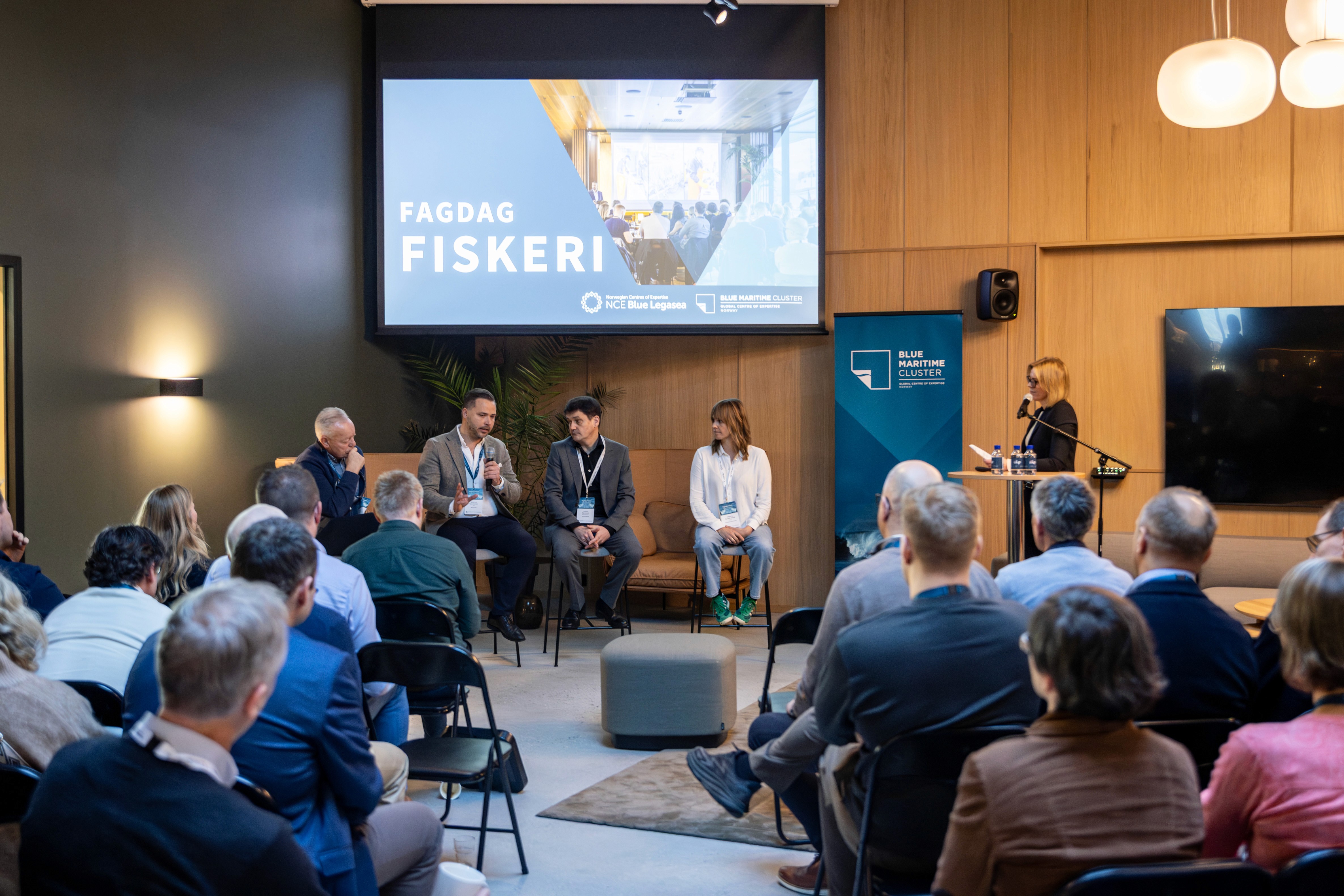
Our annual Fisheries Conference gathered fleet representatives, industry, technology suppliers, researchers, and public stakeholders for a focused day on raw materials, resource efficiency, and the evolving framework shaping Norway’s fisheries.
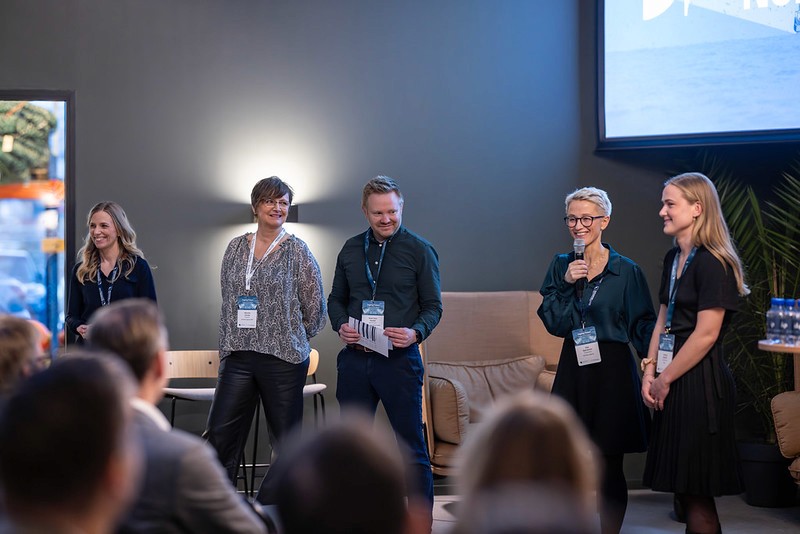
For the third consecutive year, we hosted our Fisheries conference in collaboration with NCE Blue Legasea. Held at Nordic Wildfish’s new facilities in Valderøya, the program emphasized how CO₂ taxes, climate-driven stock changes, and global market trends are affecting the entire value chain. Anders Bjørnerem, CEO of Nordic Wildfish, opened the day by highlighting the strength of local expertise and the need for predictable conditions to support long-term value creation in the region.
New biomarine opportunities
Nordnesgruppen presented Calanus finmarchicus (raudåte) as an emerging biomarine resource with significant potential, and the Institute of Marine Research gave a clear update on how climate change is reshaping stocks, feeding grounds and future management needs. Sparebanken Norge followed with a global outlook on quota trends, demand, pricing and geopolitics.
Marine by-products: a growing opportunity
A major theme this year was the underutilised potential in whitefish by-products. Legasea introduced the Foodimar project, Rune Frostad from Pretio shared their journey from by-product to high-value ingredient, and Rachel Durand from SINTEF together with Elisabeth Remøy, ÅKP, outlined the technology and mindset shifts needed to land and utilise more of the fish.
Reflections from participants pointed to the same needs: better handling and storage, available and scalable technology, predictable buyers and more stable access to raw materials. As one participant put it:
There is enormous value here — we just need the systems and markets to unlock it.
Technology, vessels and efficiency
The final session emphasized technology and vessel development as key drivers for the future. Kongsberg Maritime demonstrated how targeted upgrades can significantly reduce energy consumption across the fleet. Optimar showcased advancements in catch identification, automation, and onboard processing — including the Optimar Commander system, built to improve accuracy, traceability, and profitability.
A recurring theme was the challenge of the green shift offshore. One representative captured it well:
For long-distance fishing, there are still no real alternatives to diesel. Battery solutions take too much space — and then it’s no longer a fishing vessel.
Industry voices
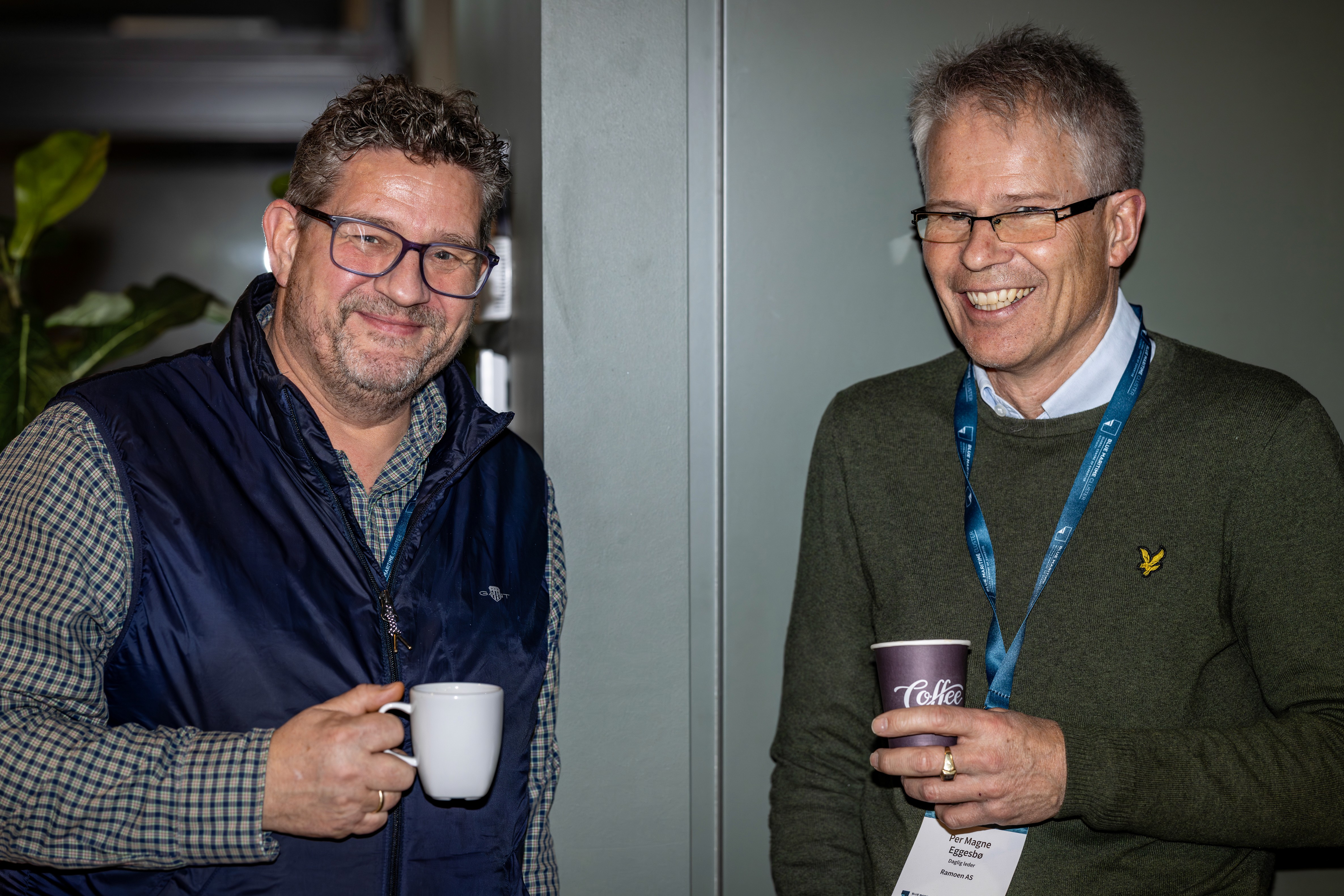
Engagement was high throughout the day. Sindre Johan Dyb, Veidar highlighted the value of meeting across the value chain:
We spend a lot of time at sea, and rarely meet up with others from the fishing industry. When we’re ashore, there’s always something that needs fixing. Days like this are important.
The need for practical solutions — not only policy ambitions — came through clearly. Several pointed out that CO₂ taxation and new regulations must be matched with technology development and realistic implementation timelines.
A strong foundation for the future
This year’s gathering reaffirmed the importance of collaboration among fleet, industry, technology providers, and research. From biomass shifts and CO₂ taxation to energy efficiency, vessel development, and better use of by-products, the message remained clear: the future of fisheries relies on knowledge, innovation, and a shared willingness to adapt.
With the competence and engagement demonstrated throughout the day, the maritime and fisheries industries are well-positioned to continue creating sustainable value in the years ahead.